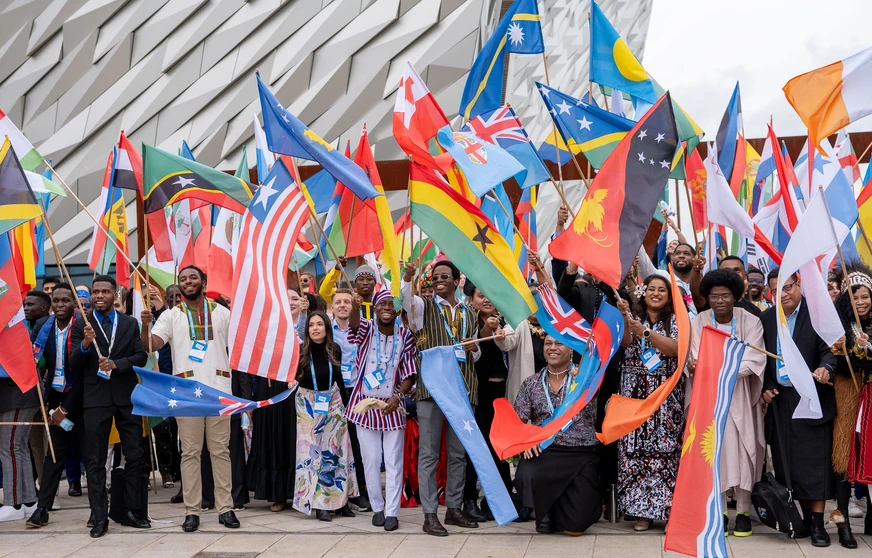
As African leaders gather in Cape Town for the One Young World Summit 2026, the conversation about the continent’s future must go beyond its natural resources. Africa has an opportunity to turn its mineral wealth into local industries, quality jobs and lasting economic value. Realising this ambition will require African-led solutions, strong partnerships and young people playing an active role in shaping the continent’s development.
The African Climate Foundation (ACF) is proud to support a delegation of young African leaders attending the summit, creating opportunities for knowledge-sharing, collaboration and engagement around Africa’s green industrialisation agenda.
Africa’s green minerals are central to the global energy transition. Yet, exporting raw materials alone will not deliver the full economic benefits for the continent. Greater investment in local processing, manufacturing and regional value chains can help African countries capture more value from their resources, create jobs and strengthen their economies. Continental cooperation will be essential. Through frameworks such as the African Continental Free Trade Area (AfCFTA), countries can build complementary industries and strengthen regional markets rather than compete solely as exporters of raw materials.
The challenge is translating this potential into implementation, ensuring that green industrialisation delivers tangible benefits for African communities.
Young Africans must be more than participants in these conversations; they must help shape the decisions that will define their future. Their knowledge, experience and ambition are essential to building an industrialisation agenda that responds to the continent’s realities and aspirations.
ACF’s One Young World scholars bring diverse, first-hand perspectives, including experiences from Kenya’s artisanal gold mining communities, platinum and copper production in Zimbabwe and Zambia, and Mpumalanga’s coal heartland. These perspectives highlight the importance of ensuring that the transition to new industries creates meaningful opportunities for workers and communities.
Through its support for selected young African leaders attending One Young World, ACF is helping build connections, encourage knowledge-sharing and create opportunities for mentorship. ACF Executive Director Saliem Fakir is also serving as a One Young World Counsellor, bringing his experience and leadership to a platform dedicated to developing young leaders.
This exchange between generations matters. Established leaders can share experience and expertise, while young Africans bring new ideas, perspectives and a determination to shape the systems that will influence their future.
In a recent Daily Maverick opinion piece, former South African Minister of Trade and Industry Rob Davies and Lilian Mugalla, a Kenyan mining engineer and ACF One Young World scholar, reinforce the importance of building Africa’s future through green industrialisation rather than relying on mineral extraction alone.
Building Africa’s green industrial future will require coordinated action from governments, businesses, development partners and communities. It must also ensure that the benefits of industrialisation are shared, with local communities gaining from the industries built around their resources. The African Century will not be built through extraction alone. It will be built by Africans, across generations, working together to turn the continent’s natural wealth and human potential into industries, opportunities and shared prosperity.